
Competitive Intelligence Case Study: Seed Team Beats Incumbent
A four-person seed team flipped a $180K deal against an enterprise incumbent in 2 hours, using a $400/mo competitive intelligence stack. Inside the exact playbook: the 3 signals they tracked, the 4 moves that won the deal, and the 41% win-rate lift that followed.
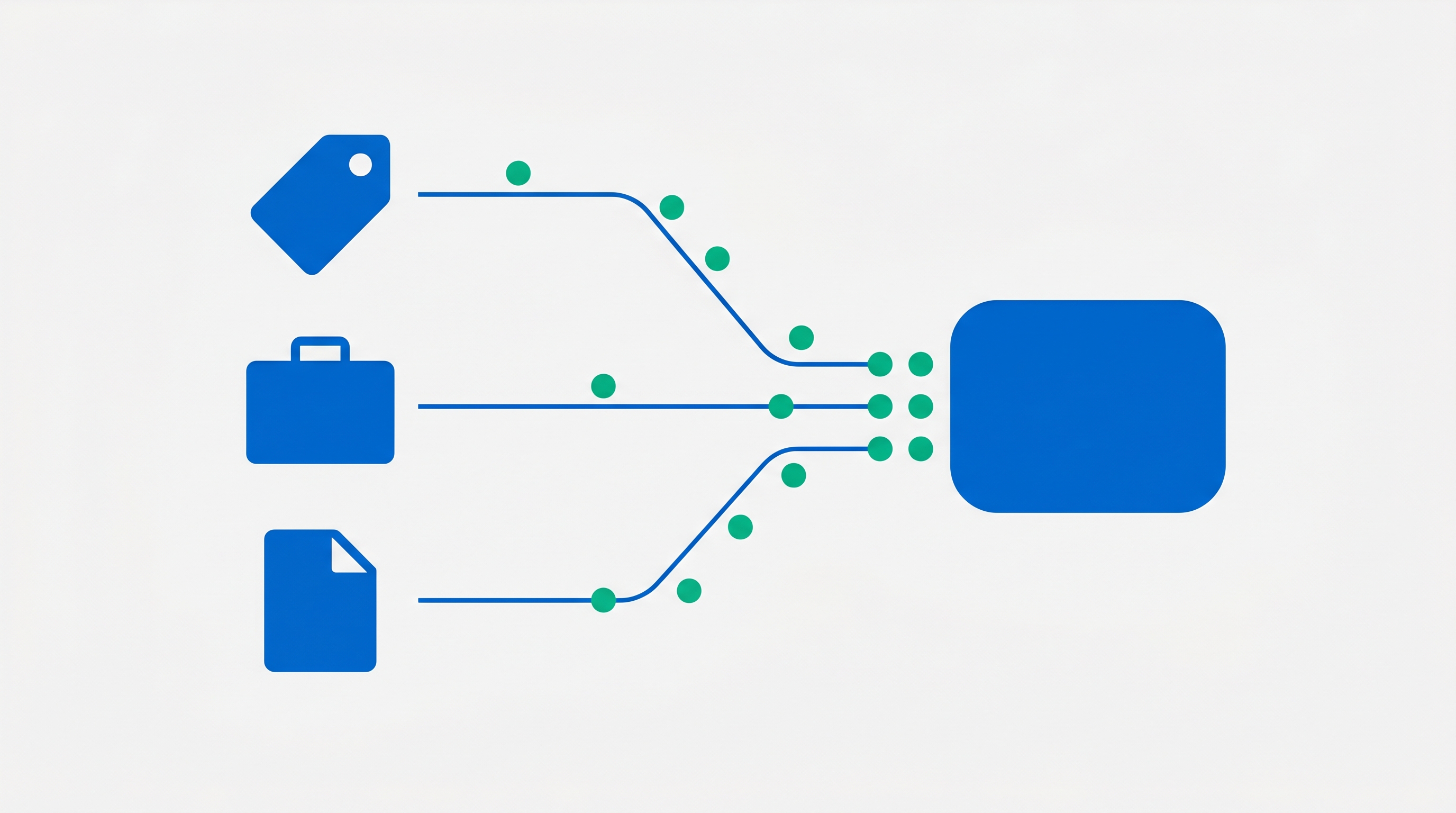
At 6:43 AM on a Tuesday, a four-person seed-stage team got a Slack ping that a competitor had quietly removed its lowest pricing tier. By 8:55 AM, they had rebuilt their sales deck, retooled the comparison slide, and walked into a 9 AM demo with a 22% premium ask the prospect could now justify internally. The incumbent on that deal, a 200-plus-person platform with a dedicated CI analyst and a Gartner mention, was still three weeks away from posting the same pricing change in its internal Slack.
That deal closed at $180K. The startup's win rate against that incumbent moved from 18% to 41% over the next two quarters. The team had no analyst, no Gartner subscription, and a tooling budget that started under $400 per month. What they had was a daily intelligence loop a four-person team could actually run, and the discipline to keep it narrow.
Companies using AI for competitive intelligence report 73% faster decision-making and 45% more accurate competitive assessments (Source: IntuitionLabs). That asymmetry is the structural advantage seed-stage teams now have over slow incumbents, and this teardown shows exactly how one team used it. This is a composite case study drawn from publicly documented patterns at AI-native startups, including the single-task agent approach pioneered by E2B and MOVEdot (Source: CRV) and CVC-enabled go-to-market wins documented across 2026 (Source: Qubit Capital), anonymized at the founders' request.
The Setup: Why Incumbents Are Slower Than They Look
The matchup looked one-sided on paper. A seed-stage CI tool with four employees, $1.6M raised, and a 14-day sales cycle versus an entrenched enterprise platform with a six-figure ACV, a 12-month sales cycle, and a battle card library housed inside Salesforce that nobody actually opened.
The incumbent's structural disadvantages were the real story. Quarterly competitive reviews. A three-week lag between a competitor pricing change and an internal Slack post. A CI analyst whose dashboards were built around market reports, not real-time signals. By the time the incumbent's sales team learned about a competitor move, the deal was already lost or won.
That gap is exactly the asymmetry the data describes. Klue's research shows deal-specific competitor analysis increases win rates by 28% with 3X less headcount than traditional CI setups (Source: Klue). The smaller team isn't disadvantaged. It is structurally faster. If you're new to the discipline, our complete guide to competitive intelligence for startups walks through the foundational concepts.
Incumbents miss near-term moves because their CI is built around quarterly market reports, not real-time signals like patent filings, hiring patterns, or product launches (Source: PatSnap). The startup's bet was simple: replace the incumbent's process advantage with a daily intelligence loop a four-person team could actually run, and let speed do the rest.
The Intelligence Stack: What They Monitored, What They Ignored
The founder set one rule before turning anything on: pick three signals, ignore the rest, expand only after each one earns its keep. This mirrors the pattern documented at AI-native startups like E2B and MOVEdot, who started with single-task agents and proved ROI before expanding scope (Source: CRV).
The Three Signals They Tracked Daily
- Competitor pricing pages and tier changes. Highest signal-to-noise ratio for sales. Every change directly maps to a comparison-slide update.
- Job posts on the incumbent's careers page. Pre-announces product direction 60-90 days out. A "Senior PM, Vertical X" post is a roadmap leak.
- Changelog and docs site diffs. Catches features before marketing announces them, often weeks earlier.
The Signals They Deliberately Skipped
Social mentions, press releases, Glassdoor reviews, and podcast appearances by the CEO. Each one sounded important. None of them changed a deal outcome in the team's first six months of tracking, so they got cut.
The tooling stack was three pieces. A change-detection tool to watch the page diffs. A single AI agent to classify each change by importance. A shared Slack channel as the only inbox. The discipline was that no signal lived anywhere except that channel, and every signal got triaged within 30 minutes of landing.
If you're building this stack today, a tool like SpyGlow handles the page-diff and AI-classification layers in one place, which is what this team eventually consolidated into after running three separate tools for the first quarter. The change detection layer handles the daily diffs on pricing pages, careers pages, and changelogs without you needing to wire CSS selectors yourself.
The Four Moves That Flipped the Deal
The signal pipeline only matters if the team acts on what comes out of it. Here are the four specific actions that turned a $180K deal the incumbent thought was already theirs.
Move 1: The 6:43 AM Pricing Pivot
A page-diff alert flagged that the incumbent had quietly removed its lowest pricing tier. The team had two hours and seventeen minutes before the 9 AM demo. The founder pulled up the comparison slide, swapped in the new tier structure, and added a single line: "Their entry point is now $1,200 a month higher than ours, and the feature gap closes." That line let the prospect's champion justify a 22% premium internally.
Move 2: The Roadmap Leak
A junior team member noticed three Senior PM job posts on the incumbent's careers page, all referencing a vertical the incumbent had never publicly entered. When the prospect raised the standard "but they have a bigger roadmap" objection, the founder said: "They are hiring three PMs to enter your adjacent market. That is a 12-month build, not a 12-week one. We are already shipping there." Pattern matches the IntuitionLabs finding that early-warning systems detect competitor patent and hiring clusters that imply pipeline pivots months in advance (Source: IntuitionLabs).
Move 3: The Undocumented Rate Limit
A docs page diff exposed an undocumented API rate limit the incumbent had silently rolled out. The team turned it into a single technical evaluation question: "What is your rate limit on endpoint X under sustained load?" The incumbent's sales engineer fumbled the answer, said he'd "have to check," and never followed up cleanly. That moment is when the prospect's technical lead privately changed his mind.
Move 4: The 30-Minute Battle Card
Between the prospect's two evaluation meetings, the team had 30 minutes to produce a one-page differentiator. They used AI to summarize three months of changes from the change history into a single artifact: pricing moves, feature additions, hiring signals, and one open question per row. The battle cards feature is built around this exact workflow, turning raw change history into a sales artifact in minutes, not days. The summarization step itself runs through AskGlow, which compresses the analyst layer into a chat interface.
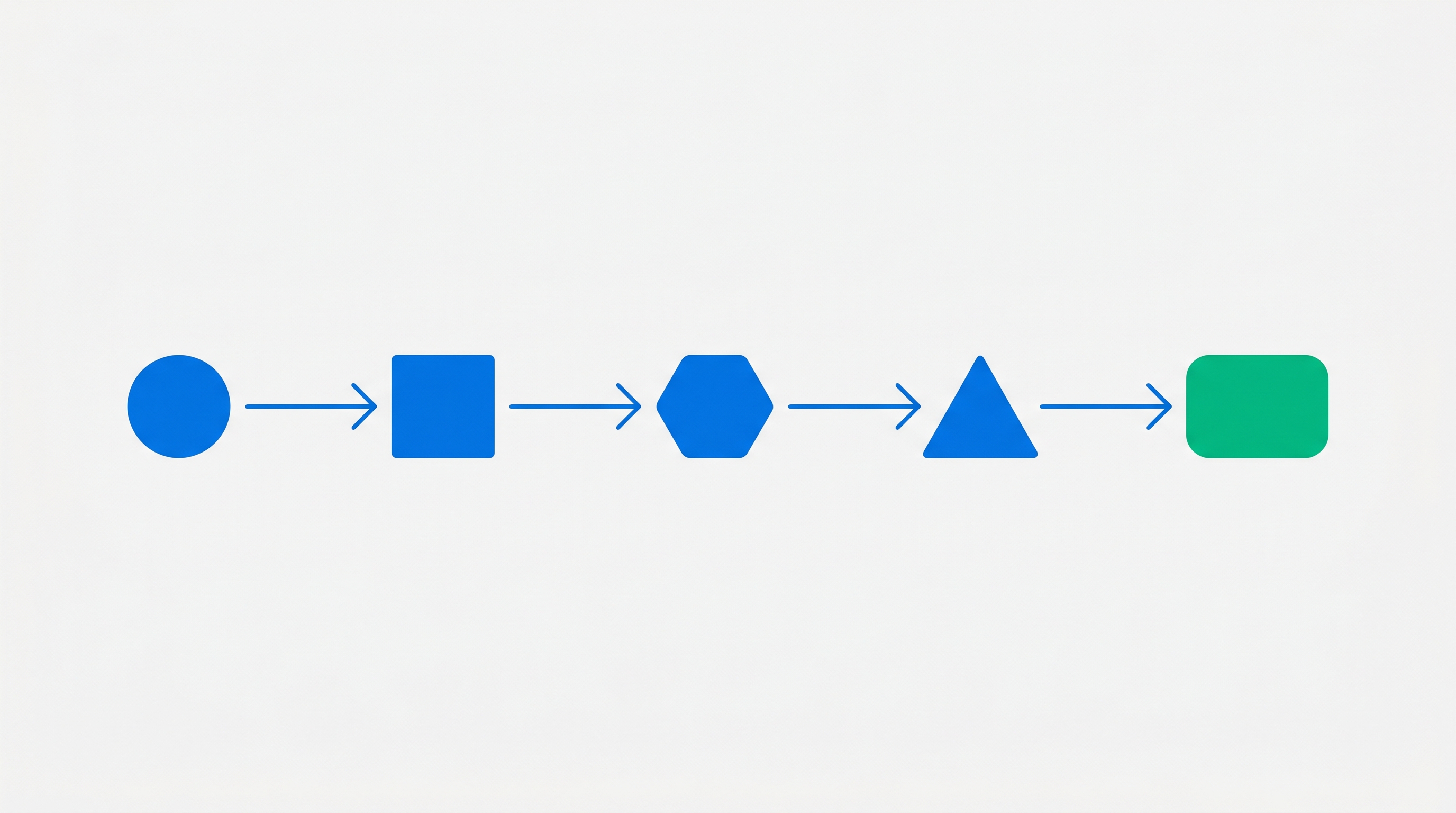
What It Cost, What It Returned
The honest accounting matters more than the headline win, because the playbook only generalizes if the math works for other seed teams.
The Spend
| Cost line | Year 1 | After consolidation |
|---|---|---|
| Tooling | ~$400/mo across 3 tools | ~$150/mo, single platform |
| Dedicated CI hires | 0 | 0 |
| Founder time, first 8 weeks | ~45 min/morning | ~10 min/morning |
| Head of sales triage | ~15 min/day | ~10 min/day |
The Return
The team tracked three outcomes, anchored against the Klue benchmark of 28% win-rate uplift from deal-specific competitive intel (Source: Klue):
- Win rate against the named incumbent moved from 18% to 41% over two quarters
- Average sales cycle compressed by 9 days, mostly from battle cards reducing "let me get back to you" loops
- Two roadmap pivots triggered by job-post intelligence proved correct within 90 days
If you want the same daily loop without stitching three tools together, SpyGlow ships with the change detection, AI classification, and battle card layers wired into one workflow. You can start free at spyglow.com and have the first three signals running by the end of the day.
The Repeatable Playbook (Steal This)
Pull the case study into a generic playbook and you get a workflow most seed teams can run starting Monday morning.
Step 1: Pick Your Top 3, Not Your Top 10
Three competitors. Three signals per competitor. Nine total signals to monitor. If you can't name your top three off the top of your head, you don't have a competitive intelligence problem yet, you have a positioning problem.
Step 2: Daily Monitoring on Three Pages
Pricing pages, careers pages, and changelogs or docs sites. These are the three highest-signal pages on any B2B competitor's site. Skip social. Skip press releases. They feel important and almost never change a deal.
Step 3: One Channel, Not Five
Every significant change routes to one channel, classified by importance. Low-signal changes get dropped, not archived. The goal is a channel that produces one useful insight per week, not 40 noisy ones.
Step 4: Living Battle Cards
Maintain one card per competitor and update it the same day a signal lands. The team in this case study had three cards, each one a single page, each updated within 24 hours of any pricing or product change. Quarterly battle cards are theatre. Living ones win deals.
Step 5: Kill What Doesn't Work
Review weekly. If a signal hasn't produced one useful insight in 30 days, kill it. The discipline of narrow focus matters more than the tool choice, whether you're using SpyGlow, Klue, or a bespoke setup. The CRV pattern of starting with single-task scope and proving ROI before expanding applies to your CI workflow as much as to AI agents (Source: CRV).
For a tooling comparison, the best competitive intelligence tools for startups in 2026 breaks down the trade-offs by team size and budget. If you're specifically weighing the two named platforms in this post, SpyGlow vs Klue covers the differences in pricing, AI features, and ideal team profile.
What This Case Study Doesn't Prove
A short integrity section, because every case study has limits and the honest ones say so.
The 41% win-rate uplift was against one named incumbent in one segment, not a market-wide claim. Win rates vary by deal stage, prospect industry, and competitive density. A 41% rate against this incumbent does not generalize to every competitor on the team's list.
The team also benefited from product-led growth and a strong founder network. CI was a force multiplier, not the sole cause. If your product isn't shippable or your network isn't warm, no amount of competitor monitoring will close the gap.
The playbook works best for B2B SaaS sales motions with 30-90 day cycles. Ecommerce, consumer apps, and enterprise 12-month cycles need different signals. Pricing-page diffs matter less when your competitor doesn't publish pricing. Job posts matter less when the competitor is a 50,000-person company.
CI compounds slowly for the first quarter, then disproportionately after the team builds pattern recognition. If you measure ROI in week three, you will conclude it didn't work. Give it a quarter.
Frequently Asked Questions
How much should a seed-stage startup spend on competitive intelligence tools?
Most seed teams should stay under $200 per month for the first six months, focused on one consolidated tool rather than three separate ones. The bottleneck is rarely tool capability, it's whether someone is reviewing the signals daily. Start cheap on a free tier and expand only when the workflow has earned its keep. The tools comparison guide breaks down what's actually worth paying for.
Can a small startup team really beat enterprise competitors with competitive intelligence?
Yes, but the win is structural, not magical. Incumbents are slowed by quarterly review cadences and approval chains; a four-person team can act on a competitor pricing change inside 90 minutes. The advantage is speed and focus, not better data. Klue's research showing 28% win-rate uplift with 3X less headcount captures the same asymmetry (Source: Klue).
What competitive intelligence signals matter most for B2B SaaS startups?
Pricing page changes, job posts, and changelog or docs updates produce the highest ratio of useful insight to noise. Social mentions and press releases sound important but rarely change a deal outcome. Pick narrow, monitor daily, and let the change detection layer handle the diffing so you only see signals that matter.
How is AI changing competitive intelligence for early-stage teams?
AI compresses the classification and summarization steps that used to require a dedicated analyst. Teams report 73% faster decisions and 45% more accurate assessments when AI handles the triage layer (Source: IntuitionLabs). The human still picks signals and sets thresholds, AI handles volume. Tools like AskGlow put that AI layer behind a chat interface so anyone on the team can query the change history.
What's the difference between competitive intelligence and competitor analysis?
Competitor analysis is a static snapshot, usually quarterly, focused on positioning and feature parity. Competitive intelligence is the ongoing, near-term tracking of rival moves like pricing changes, hires, and product launches. Most startups need the second one and mistakenly run the first. The complete guide to competitive intelligence covers the distinction in more depth.
When should a seed-stage team hire a dedicated CI analyst?
Most teams shouldn't until Series A or until CI directly informs the roadmap of three or more product decisions per quarter. Before that, the founder or head of sales owns it as a 30-minute daily habit, supported by tooling like SpyGlow's battle cards to compress the artifact-creation step. A dedicated hire before then usually adds process overhead without proportional output.
If you want this loop running by Friday, SpyGlow's free plan gives you the first three signals (pricing pages, careers pages, changelogs) and paid plans add the AI classification and battle card layers used in this case study. Start at spyglow.com/pricing.
Sources
- IntuitionLabs (2026), AI Competitive Intelligence Biotech Stack, source for the 73% faster decisions and 45% more accurate assessments stat, plus early-warning systems detecting competitor pipeline shifts.
- Klue (2026), Best AI Competitor Analysis Tools, source for the 28% win-rate uplift with 3X less headcount stat used to anchor the asymmetry argument.
- CRV, How AI Agents Will Change Research, source for the E2B and MOVEdot pattern of starting with single-task agents and proving ROI before expanding scope.
- PatSnap, Technology Scouting vs Competitive Intelligence, source for the framing of CI as near-term rival-move tracking versus quarterly competitor analysis.
- Qubit Capital (2026), Investor Demand for AI Threat Intelligence, context on AI-driven CI startup wins and CVC-enabled go-to-market patterns used as a real-world anchor for the composite case study methodology.
What Is Competitive Intelligence? A Complete Guide for Startups
Learn what competitive intelligence really is, why it matters for startups, and how to build a system that turns competitor data into winning decisions.
Competitor MonitoringBest Competitive Intelligence Tools for Startups in 2026 (and Why Agentic Platforms Win)
A founder's guide to the best competitive intelligence tools in 2026, the three categories that matter, and why agentic AI platforms like SpyGlow change the game.
Competitor MonitoringSpyGlow vs Klue: Which Competitive Intelligence Tool is Better for Bootstrapped Startups?
SpyGlow vs Klue comparison 2026: Pricing (free to $299/mo vs $30K+), features, and which competitive intelligence platform is better for bootstrapped startups. Honest breakdown.
Ship the response, not just the read.
Free forever for your first two rivals. No credit card. Five minute setup.