
Is NinjaReports Better Than Kompyte? A Strategic Breakdown
NinjaReports and Kompyte serve fundamentally different purposes. This breakdown examines why reporting tools fall short for competitive intelligence, where Kompyte succeeds and struggles, and what multi-brand SaaS teams should actually evaluate when choosing a CI platform.

TL;DR: NinjaReports doesn't appear to operate in the same category as Kompyte. One is reporting software; the other is a CI platform. But neither question is the right one for a multi-brand SaaS team. The real benchmark is whether your tool turns a competitor change into one summary, one reason, and one action, or just adds another alert to clear.
Sales reps spend just 28% of their week actually selling, with the rest consumed by meetings, admin tasks, and deal management, according to Salesforce Research. If your CI tool adds to the research pile instead of cutting it, you've bought a problem, not a solution.
That's the frame for this comparison. Not "which tool has more features," but which one gets your team from a competitor change to a decision fast enough to matter.
NinjaReports-style reporting gives you pages, not moves
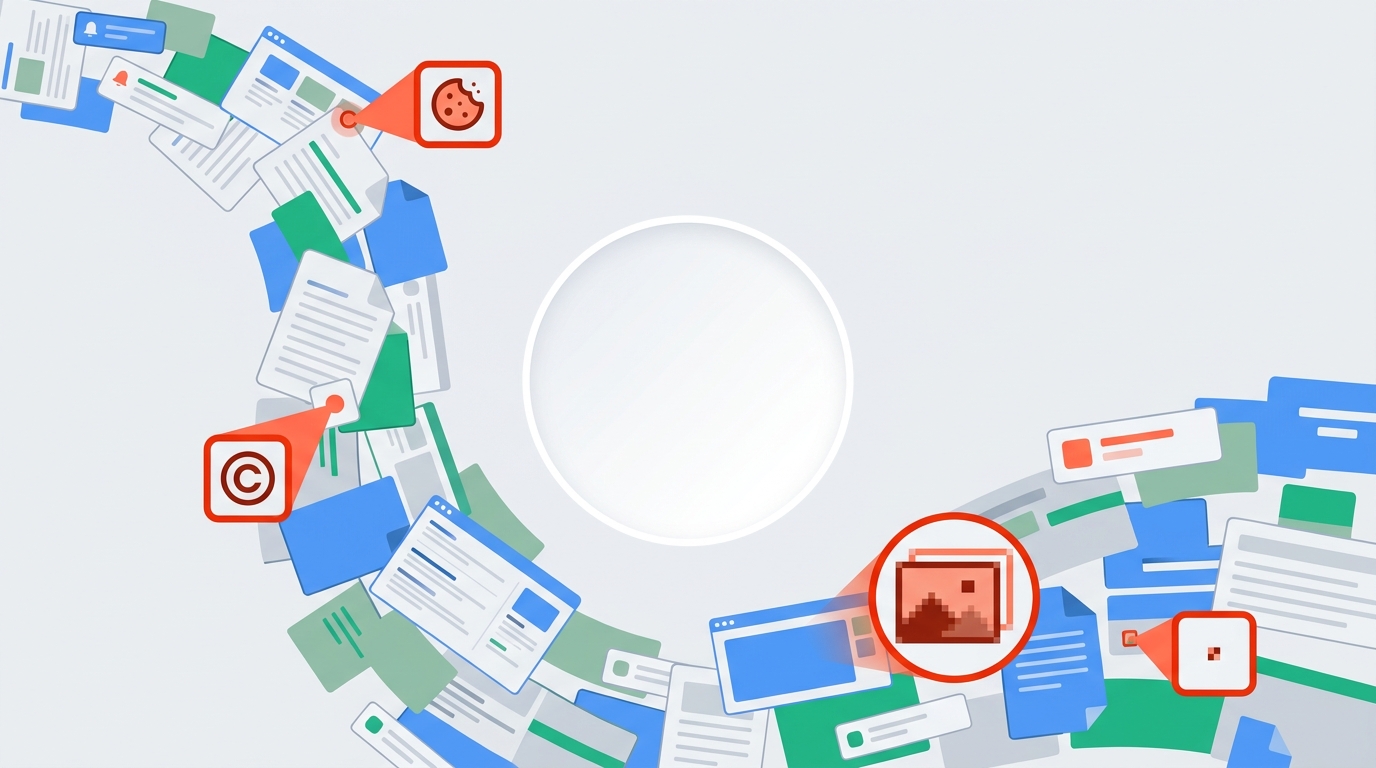
Reporting tools have a genuine appeal. They're clean. They're scheduled. They show you what changed and when. NinjaOne's reporting docs are a good public example of how reporting-first products think about visibility: structured logs, automated summaries, configurable delivery.
The problem isn't the format. It's the signal-to-noise ratio.
A reporting tool tells you that a page changed. It does not tell you whether the change matters. When your weekly summary lands and it includes:
- A cookie banner copy tweak
- A footer copyright year update
- An image compression swap
- A tracking pixel added
You're looking at churn, not moves. That's monitoring dressed up as intelligence.
No direct comparison content or verified CI-focused product page for NinjaReports was found in search results. "NinjaReports-style" refers to a reporting-first approach exemplified by NinjaOne's docs, not necessarily a specific product. That gap is telling. It suggests either no product is operating under that exact name in the CI category, or the buyers who search this question aren't finding anything useful and end up making a decision without the context they need.
The standard for a CI tool isn't "did it log the change?" It's: did it give you a summary, explain why the change matters, and hand you a next step? Reporting tools stop at the first question.
Kompyte is built for CI, but signal quality still varies
Kompyte is at least playing the right game. It was built around competitor tracking, battle cards, and sales enablement rather than generic page logging. Semrush acquired Kompyte for $45 million in August 2022, which tells you something about how the market values purpose-built CI software relative to generic reporting.
And the trajectory is significant. Adobe announced a $1.85 billion acquisition of Semrush in November 2025, expected to close in the first half of 2026. Kompyte is now on a path into Adobe's enterprise marketing cloud. That's a lot of R&D budget and ecosystem integration potential.
But here's the question a buyer should actually ask: does Kompyte's alert feed distinguish between a competitor repricing their mid-market tier and a competitor updating their blog sidebar? Because if it surfaces both at the same priority, you haven't solved the noise problem, you've just repackaged it.
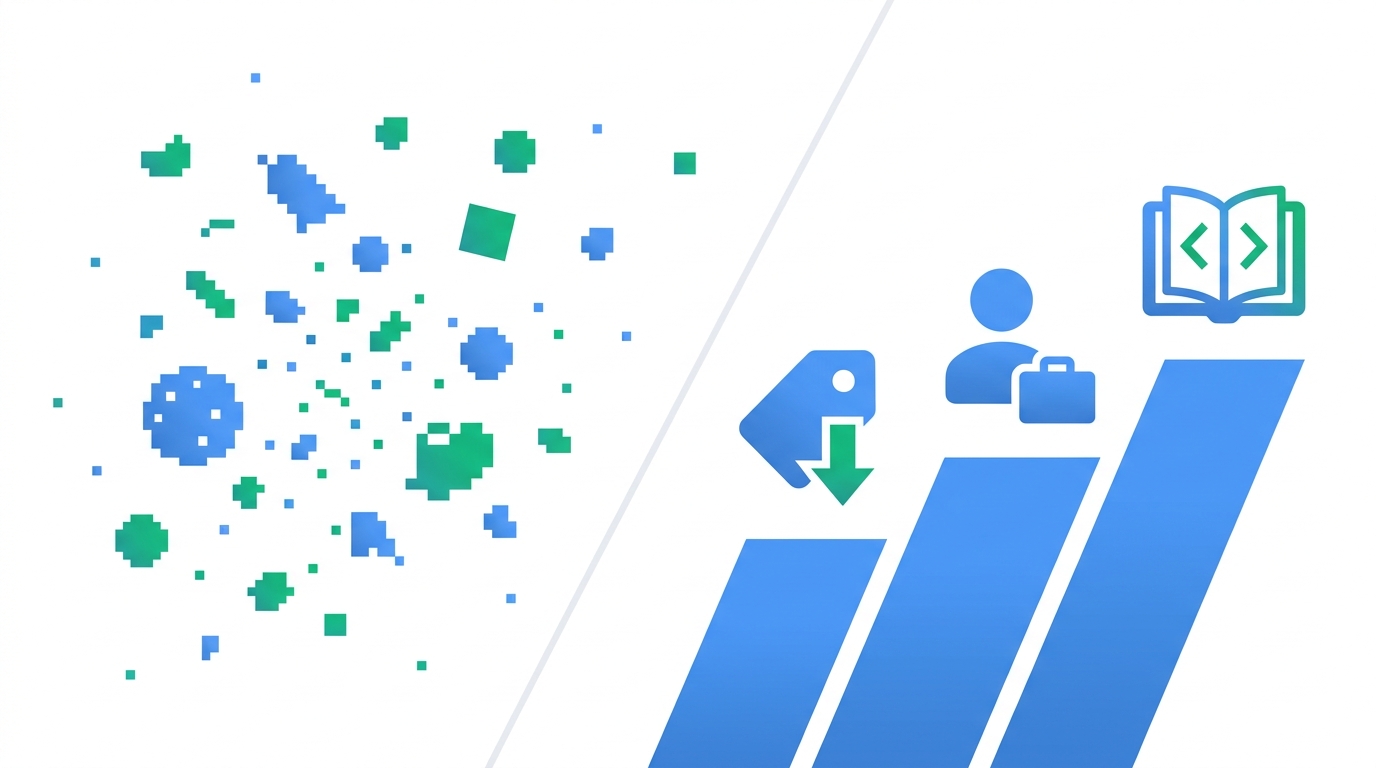
A high-signal change looks like this:
- Pricing dropped 17%, update your battle cards today
- New enterprise tier launched, positioning shift toward upmarket
- VP of Sales hired from a direct competitor, they're moving up-market
- API docs rewritten, a developer platform is live
A low-signal change looks like every footer update, every A/B test variant swap, every minor image swap that automated crawlers catch and flag as "content change."
The question for any CI tool, Kompyte included, is whether it does that triage for you or hands the triage back to you. 67% of B2B buyers say they only want to hear from sellers when they have relevant insights to share about their business, according to Gartner. If your CI tool can't make that distinction, your reps are going into calls with noise, not insights.
Databricks has done this right. They use Crayon to deliver competitive intelligence to their sales team, enabling faster deal cycles through real battle cards tied to real competitor moves. The outcome is faster deals, not more alerts.
The real test: can a multi-brand team act fast?
Most CI tools appear to assume one brand per account. One workspace, one competitor set, one set of alerts. That assumption appears baked into the architecture of most platforms, including Kompyte based on available product reviews.
For an agency running CI for five clients, or a SaaS company tracking each product line separately, that assumption breaks fast. You end up with separate logins, separate alert streams, no cross-brand view, and no way to know if a competitor is testing messaging on a smaller market before rolling it to your main segment.
SpyGlow is built differently. Up to 10 domains per account, each with its own workspace, its own competitor set, and its own intelligence cadence. That's not a configuration option grafted onto a single-brand architecture. It's the default model.
The practical difference shows up in three workflows:
- Sales gets a morning summary before a call, not a dashboard to dig through
- Marketing gets positioning shifts flagged before a campaign launches, not after
- Product gets competitor moves before roadmap review, with context on what the move signals
SpyGlow's Monday brief pulls a weekly rollup across all tracked brands. One email, all domains, all competitor moves worth acting on. That's not something you can replicate by toggling between what appear to be separate Kompyte workspaces.
One summary, one reason, one action beats a pile of alerts
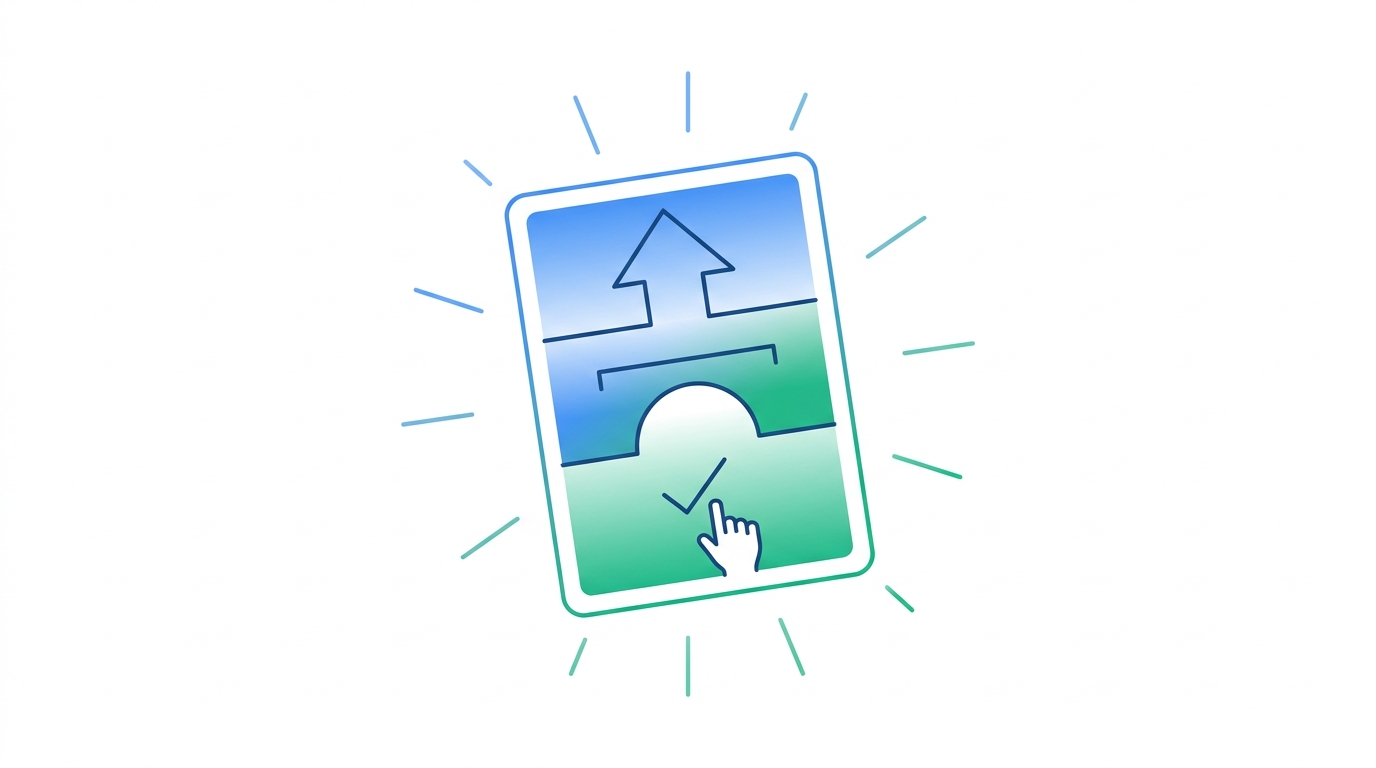
This is the output quality test. Every CI tool generates some form of summary. The question is how much work the reader has to do after reading it.
Reporting-style output: "Page changed: /pricing, 3 elements modified, logged Tuesday 9:04 AM."
CI-style output: "Pricing page updated. Enterprise tier added. New annual discount at 20%."
Intelligence-style output: "Pricing dropped 17%, likely signals pressure in mid-market. Update the sales talk track today before Q3 renewal calls."
The third version is what SpyGlow's standard looks like. One summary, one reason, one action. Not because it's a nice formatting choice, but because GTM teams can't do the interpretation step at scale. Sales doesn't have time to connect a pricing page update to a positioning shift during a live deal cycle. Marketing can't stop a campaign launch to audit what a competitor's new messaging actually means.
The platform specs behind that standard: nine AI agents, 24 CI tools working together, change scoring from one to ten, alerts at five and above, Slack and webhook delivery within minutes, and a first battle card generated in under 60 seconds. That's not a marketing claim, it's the architecture required to make the summary-reason-action format reliable at speed.
AI tools can reduce the time salespeople spend on research and administrative tasks by up to 70%, according to McKinsey. The only way to realize that reduction is if the tool handles the interpretation, not just the detection.
If you need one benchmark, use SpyGlow's standard
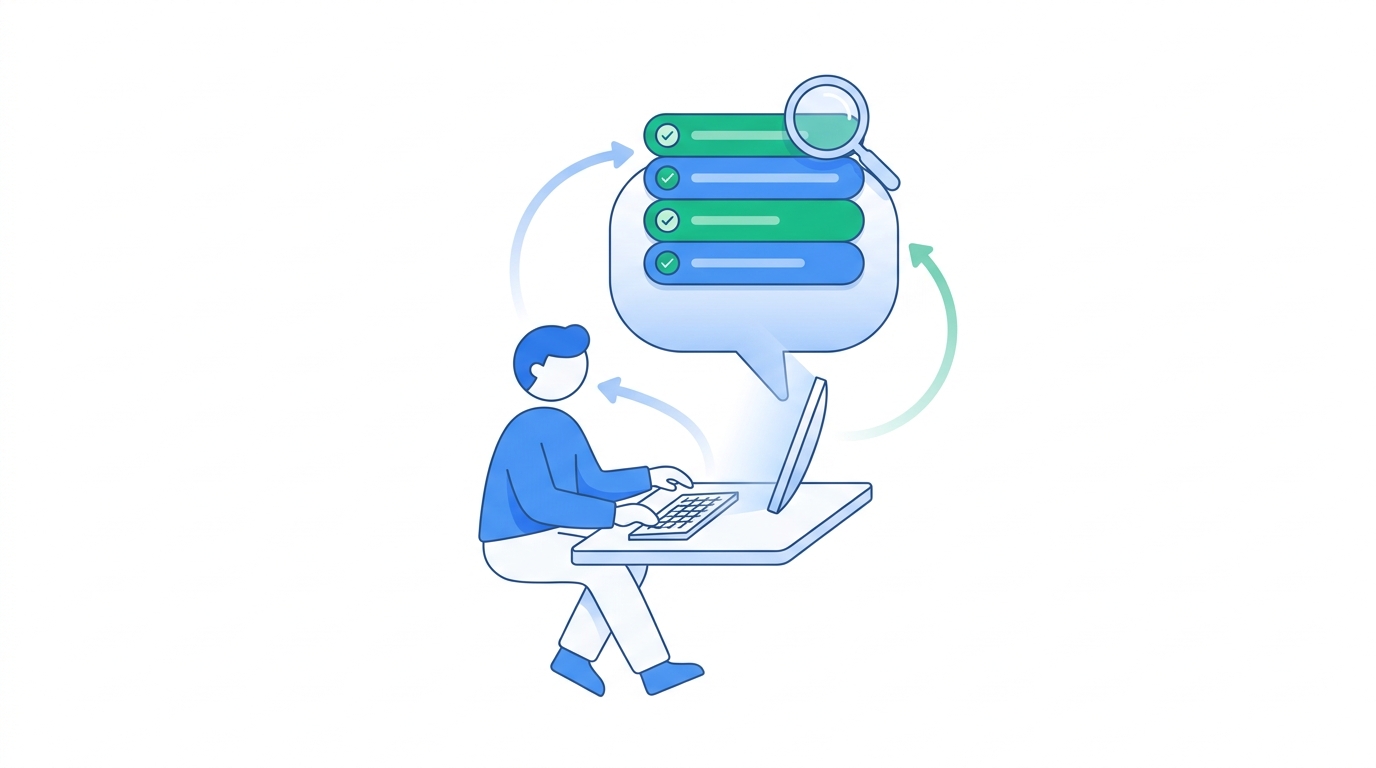
Before buying any CI tool, Kompyte included, run it through three questions:
- Does it score changes by importance, or does it surface everything equally?
- Does it explain why a change matters, or just log what changed?
- Does it give you a next step, or does it leave interpretation to you?
SpyGlow's free plan, which is permanent with no trial clock, lets you test against those three questions before you commit. Two competitors, one domain, daily checks. Connect one brand, get your first change summary, and see whether the output gives you a reason and an action or just a timestamp.
The pricing ladder maps to cadence and team size: Free at $0, Pro at $59/mo for three domains, Growth at $149/mo for five domains with checks every six hours, Teams at $299/mo for ten domains with checks every three hours. That structure matters because the right tier is the one that matches how fast your market moves, not how many features you can unlock on a Friday afternoon demo.
When a competitor move happens and you need to know what they said six weeks ago about enterprise pricing, AskGlow handles the history lookup in natural language. Ask the question, get a sourced answer. No digging through old alerts, no exporting change logs.
That's the benchmark. Not a list of features, but a workflow where detection, interpretation, and action stay connected.
The buyer's answer depends on the job you need done
If you need a log of page changes for a client report or an internal audit, reporting-first tooling may be enough. That's a legitimate use case. It's just not CI.
If you need competitor tracking with context for sales and marketing, Kompyte is a closer fit than a reporting tool. The $45 million acquisition price and the pending Adobe integration suggest real investment in the platform. But check the signal quality before you buy. The right question isn't "how many competitors can I track?" It's "does this tool tell me which change matters and why?"
If you're running CI across multiple brands, products, or client accounts, single-brand-native tools are going to create friction from day one. The assumption of one workspace per account isn't a configuration problem you can work around. It's an architecture decision that shapes every workflow downstream.
The decision rule is simple. Reporting gives you pages changed. CI gives you competitor moves. Multi-brand CI gives you competitor moves across your whole portfolio, interpreted, scored, and delivered before your team needs them.
FAQ
Is NinjaReports a real competitive intelligence tool, or just reporting software?
Based on available research, no direct comparison content or verified CI-focused product page for NinjaReports was found in search results. "NinjaReports-style" refers to a reporting-first approach exemplified by NinjaOne's docs, not necessarily a specific product. If you're evaluating it as a CI platform, apply the signal-quality test first: does it score changes, explain their strategic significance, and recommend a next step? If the answer is no, it's a reporting tool, not a CI platform.
What's the difference between reporting and competitive intelligence for B2B SaaS teams?
Reporting tells you what changed and when. CI tells you what the change signals and what to do about it. The gap matters most when a competitor makes a move before a sales call or a campaign launch. A report logs the event. Intelligence gives the rep or marketer a reason and an action before they need it.
When does Kompyte make more sense than a reporting-first tool?
Kompyte is designed for sales enablement and competitor tracking, not just page logging. If you need battle cards, pricing alerts, and messaging shifts tied to your sales workflow, it's a stronger starting point than generic reporting software. After its acquisition by Semrush and with Adobe's pending $1.85 billion takeover expected to close in the first half of 2026, it's also better resourced than most alternatives. The caveat is that more resource doesn't automatically mean better signal quality. Test the noise filter before committing.
How do you tell signal from noise in competitor tracking?
A signal is a change that alters how you should sell, message, or build. A new enterprise tier, a 17% pricing drop, a VP Sales hire from a direct competitor, a rewritten API doc. Noise is everything your crawlers catch that doesn't change your response. Footer updates, cookie banner rewrites, image compression, tracking pixel additions. A good CI tool scores changes on a one-to-ten scale and only alerts you when something crosses a meaningful threshold.
What should a multi-brand team look for that single-brand tools miss?
Cross-brand pattern detection. A competitor who tests new pricing on a smaller product before rolling it to the flagship will be invisible if your workspaces are siloed. Multi-brand CI teams also need a single weekly rollup across all domains rather than five separate alert streams. The specific architecture question is whether the tool supports separate workspaces per brand under one account, or whether "multi-brand" is just a billing workaround on top of a single-brand model.
Sources
- Semrush acquires Kompyte for $45 million, TechCrunch
- Adobe to buy Semrush for $1.85 billion, Reuters
- Semrush Q3 2025 results, investors.semrush.com
- NinjaOne, Getting Started with Reports
- Salesforce, sales productivity research
- Gartner, B2B buying journey
- McKinsey, AI value in sales
- Crayon, Databricks competitive intelligence case study
Pull up your last 20 competitor alerts and sort them: noise, signal, or "needs context." If most land in the third bucket, your tool isn't doing the interpretation layer. Start a free SpyGlow account with two competitors and one domain, connect it today, and check whether tomorrow's summary gives you a reason and a next step, or just a timestamp. No trial clock. No credit card.
Ship the response, not just the read.
Free forever for your first two rivals. No credit card. Five minute setup.