
Spy vs Spy: Build Comparison Pages That Win Deals
Most comparison pages go stale within 90 days. Learn how to build four page archetypes and connect live competitive intelligence to copy that stays fresh and wins deals.

TL;DR: Most "vs" pages are built once, ranked eventually, and never touched again. Your competitor changes their pricing, launches a new tier, or repositions entirely, and your page still says the old thing. This post covers four comparison page archetypes, how to connect live CI signals to the copy that needs updating, and how to run a 24-hour response when a competitor makes a major move.
A prospect Googles "[your product] vs [competitor]." They land on the competitor's page, not yours. That page was refreshed last week. Yours was written in Q2 of last year, still quotes pricing the competitor dropped three weeks ago, and the prospect notices the discrepancy during the demo. Your rep loses credibility before the slide deck even loads.
This isn't a content problem. It's a pipeline problem. You built the page. You just never built the system that keeps it alive.
Here's how to fix both.
The four page archetypes (and when to build each one)
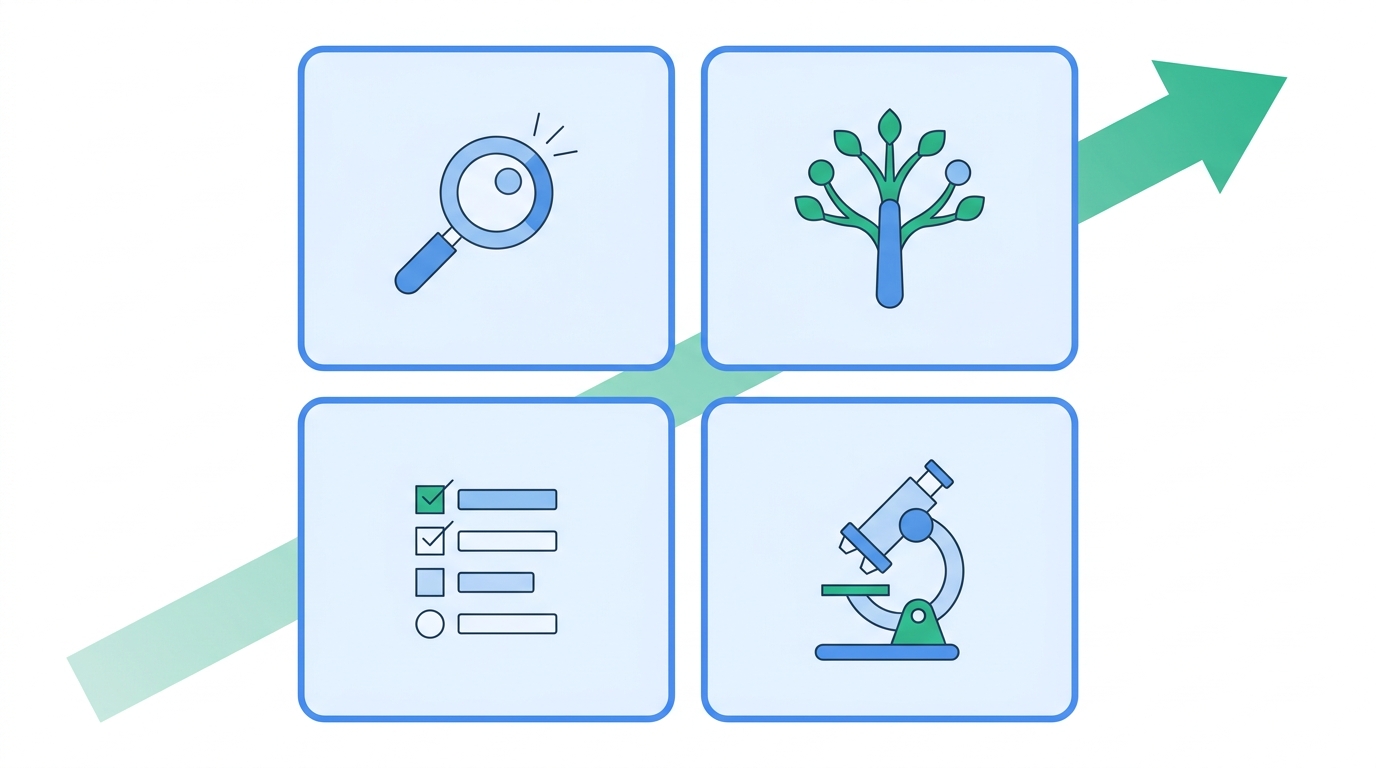
Not all comparison content does the same job. There are four distinct archetypes, and treating them as interchangeable is why most "vs" pages underperform.
The vs page. Head-to-head, high purchase intent. Someone typing "[your product] vs [competitor]" already has both tabs open. They're not researching, they're deciding. Sales owns this page. The goal is to close the argument before the demo.
The alternatives page. Captures "I'm shopping around" queries: "[competitor] alternatives" or "tools like [competitor]." The buyer hasn't picked a shortlist yet. Marketing owns this. The goal is to get into the consideration set.
The comparison matrix. Multi-competitor. Good for product-led teams where the buyer is doing their own due diligence before they talk to anyone. Product owns this. The goal is to be the most credible source of feature-level truth in your category.
The teardown page. Deep technical or positioning analysis. Works especially well in devtools and PLG, where a technical buyer wants to understand architectural tradeoffs, not just feature checkboxes. It's the longest format and the slowest to rank, but it earns the highest trust.
Each archetype targets a different stage of the buying decision. A vs page is transactional. A teardown is informational. Build them in that order if you're resource-constrained, because the transactional pages pay off faster in pipeline.
One more thing for multi-brand teams: you need one set of pages per brand, not a single master page. A DevOps tool and an analytics tool in the same portfolio compete against different products, speak to different buyers, and need different positioning. One page can't do that work.
Why most "vs" pages go stale within 90 days
Competitor positioning isn't static. Pricing changes. New tiers appear. A VP Sales hire signals a move up-market. A case study in a vertical you both compete in shows up quietly on their website.
Any single one of these changes might not matter much on its own. But when pricing drops the same week a new enterprise tier appears and there's a LinkedIn announcement about a new sales hire, that's a composite signal. Something structural shifted. A page built six months ago doesn't reflect that, and a monitoring setup that only watches one surface misses it entirely.
The practical cost shows up in deals. A rep walks into a call using a battle card that says the competitor charges a certain amount. The competitor dropped pricing three weeks ago. The prospect knows because they checked yesterday. The rep doesn't know because your last page update was in a quarterly review that hasn't happened yet.
"Pricing dropped 17% -- update battle cards today" is the kind of signal that should fire automatically and land in Slack before your 2pm call, not surface during a Friday review meeting.
The quarterly review cycle isn't the right cadence for competitive copy. The right cadence is whenever the competitor changes something that affects a buyer's decision. Which means you need a system, not a calendar invite.
Building the CI-to-page pipeline: signals in, copy out
The goal is a direct line from "competitor changed something" to "the right copy is updated on the right page." Here's how to structure that line.
Start with signal scoring. Not every competitor change should trigger a page update. A cookie banner tweak, a footer copyright year, an A/B test variant on a hero image -- none of those matter. What matters:
- Pricing change (score 7+): update the vs page and the battle card today
- New feature launch (score 6+): update the comparison matrix and flag for product
- Homepage positioning shift (score 5+): review the "why we built differently" section on the vs page
- New case study in a vertical you compete in (score 5+): add a counter-example to the social proof block
SpyGlow's change scoring runs from 1 to 10. Alerts trigger at 5 or above, delivered to Slack or webhook within minutes. That threshold filters the noise before it reaches a human.
Once a signal clears the threshold, the atomic unit of every page update is what we call the "one summary, one reason, one action" block. Before anyone touches the page, three lines exist:
- Summary: What changed, in one sentence.
- Why it matters: What it signals about the competitor's direction.
- Action: Which page needs updating and what specifically changes.
This format does two things. It forces precision before the writing starts. And it gives sales the language they need for active deals, not just the page team.
Not which competitor pages changed. Which of your pages need a response.
Governance matters here too. The lightest RACI that works: the CI platform flags the signal, PMM approves the copy change, SEO publishes, and sales gets a Slack notification with the exact battle card language. Four steps. No committee.
What goes on a high-converting vs page (section by section)
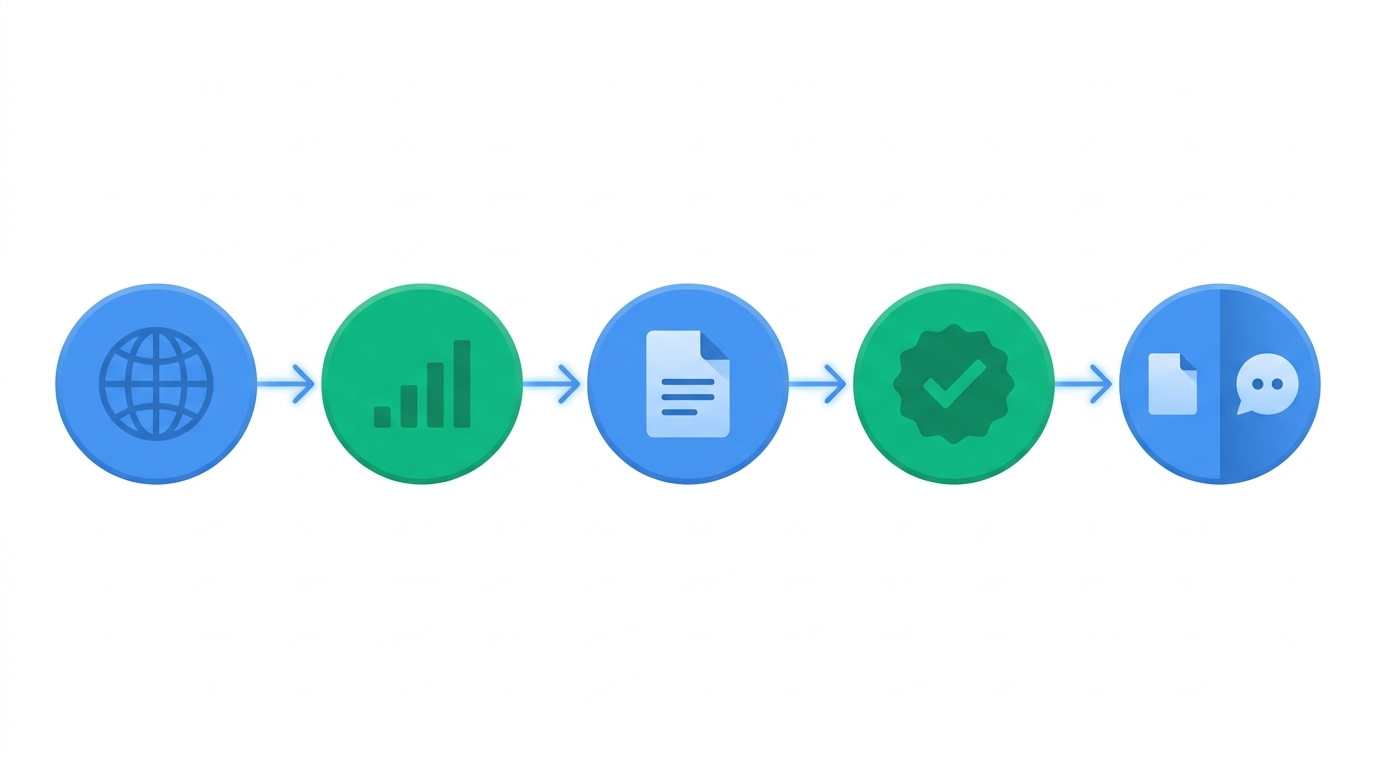
Structure matters as much as content. Most vs pages bury the lead under a feature table that nobody in early-stage evaluation actually reads.
Above the fold. Your positioning claim vs theirs. One differentiator. One CTA. Not a feature table. The feature table is for people who are already convinced and need permission to proceed. The fold is for people who aren't convinced yet. Give them a reason, not a spreadsheet.
The comparison table. Pull from teardown data your CI platform surfaces, not from the competitor's own marketing copy. Their marketing copy is written to make them look good. Your CI data is sourced from what they actually charge, actually ship, and actually say to prospects. Flag the date the data was last verified. "Last updated [date]" on a comparison table is a trust signal. It tells the buyer you're paying attention.
Social proof block. One customer quote that names the competitor by implication: "We switched from [X] because..." This is the highest-converting element on most vs pages because it answers the exact question in the buyer's head. Not "is your product good?" but "is your product better for someone like me who was using what I'm currently using?"
The "why we built differently" section. One paragraph explaining the product decision that makes you structurally different. Not feature-different. Structurally different. For SpyGlow, that paragraph writes itself: Eclar built v1 as change detection, then rebuilt v2 entirely when users showed him the gap between getting an alert and knowing what to do about it. That's not a feature addition. That's a different theory of what the product should be.
For multi-brand teams, this paragraph changes per brand. The product decision that differentiates your DevOps tool from a competitor is not the same decision that differentiates your analytics tool. One template does not fit both.
Keeping battle cards and pages in sync across multiple brands
A five-brand portfolio means five sets of vs pages, each tracking different competitors, each with different positioning. Manual sync across that is a full-time job, and it's the first thing that gets deprioritized when a launch is coming.
Klue, Crayon, and Kompyte are often positioned as one-brand-per-account tools. If you're running a multi-brand portfolio or an agency with multiple clients, you're either paying for multiple seats or you're doing manual reconciliation in a spreadsheet.
SpyGlow supports up to 10 domains per account. Each brand workspace gets its own competitor set, its own Monday brief, and its own triggered alerts. A change to a competitor that only one brand tracks doesn't pollute the other brands' queues. That isolation matters when your brands are in different categories with different competitors and different update cadences.
The query layer is where this gets useful for a PMM. AskGlow answers natural-language questions about competitor history across all your brands. "What changed on [competitor]'s pricing page in the last 30 days?" returns a sourced answer. You don't open five dashboards. You ask one question.
Frequency matters for multi-brand teams specifically. The Teams plan at $249/month billed annually checks every three hours. A competitor who drops pricing on a Tuesday morning shows up in your Slack before your 2pm sales call. The Growth plan at $124/month billed annually checks every six hours. The Pro plan at $49/month billed annually checks 12-hourly. The free tier checks daily, permanently, with no trial clock. Start there and upgrade when the signal volume justifies it.
The 24-hour response playbook for a major competitor move
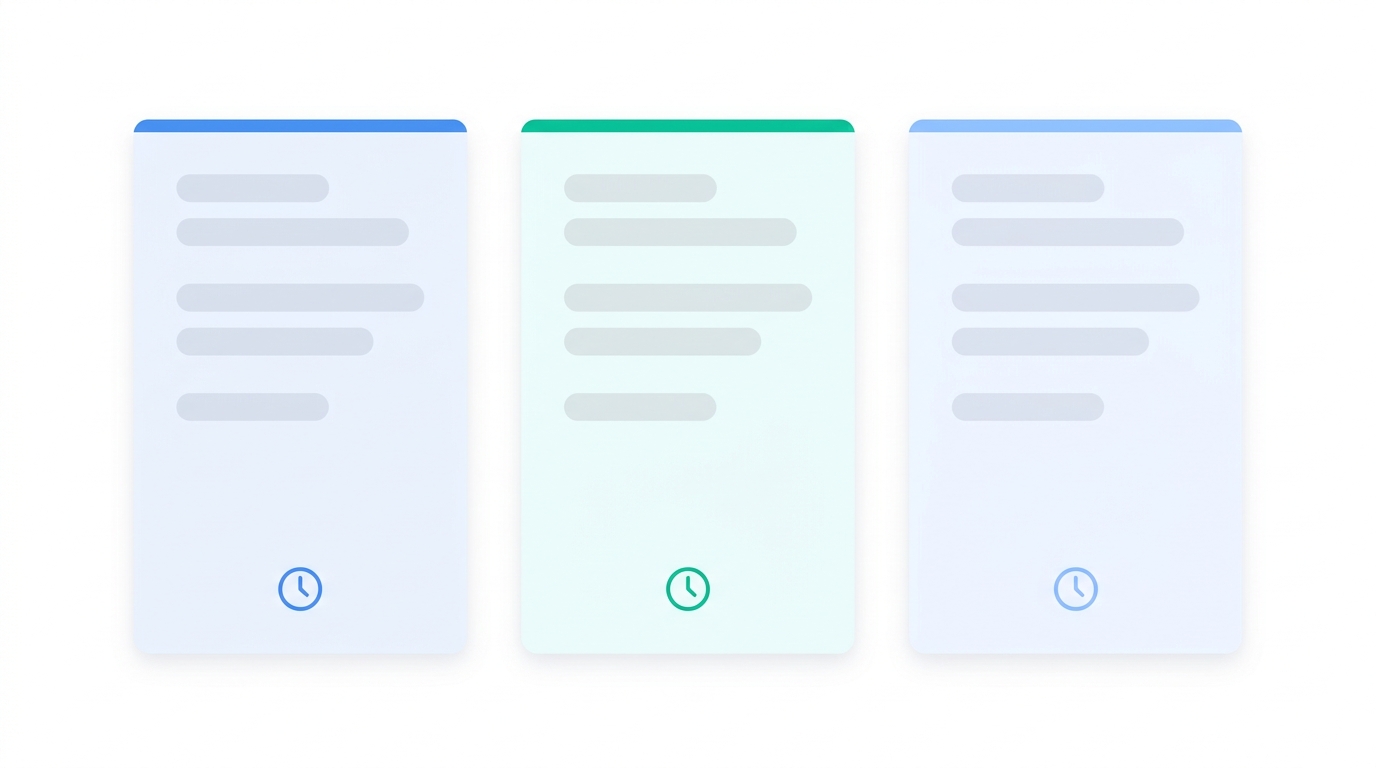
When a competitor makes a significant move, the window where your response matters is short. Here's the hour-by-hour breakdown.
Hour 0-1. Signal fires at score 7 or above. Real-time Slack alert surfaces the change with the three-line block: summary, why it matters, action. The right people know before they start their next meeting.
Hour 1-4. PMM pulls the relevant vs page and battle card. Runs the copy update through the one summary, one reason, one action format. Gets approval. Queues the publish.
Hour 4-8. Updated page is live. Sales team gets the Slack notification with the exact language to use in active deals that day. Not a general heads-up. The specific sentences.
Hour 8-24. Product reviews the signal for roadmap implications. Was this feature launch something on your backlog? Does the pricing change suggest they're targeting a different segment? SEO checks whether the competitor's change creates a new keyword gap or affects existing rankings.
The 24-hour window is where most teams fall apart, because the signal arrived but there was no playbook for what to do with it. The pipeline described above is the playbook. The signal triggers the format. The format triggers the approval. The approval triggers the update and the notification.
Change detection gives you noise. This gives you a response.
FAQ
How often should I update a vs page once it ranks?
Whenever the underlying facts change, not on a schedule. A pricing change, a new tier, a homepage repositioning -- those trigger an update. An A/B test variant on a hero image does not. The signal scoring system (1-10, update at 5+) gives you a threshold that replaces the calendar.
Should I name competitors directly on my vs pages, or keep it vague?
Name them. Vague comparison pages ("see how we compare to other tools") rank poorly and convert worse. Buyers searching "[your product] vs [competitor]" already have a specific competitor in mind. A page that dances around naming it looks evasive.
What if a competitor doesn't have a public pricing page?
Track every other surface: their homepage, their product update blog, their case studies, their LinkedIn job postings. A pricing page going private is itself a signal. So is a new "Contact Sales" button where a self-serve plan used to be. Composite signals matter more when a single surface goes dark.
How do I handle a competitor who changes their messaging frequently?
Set a lower alert threshold for their homepage and positioning pages specifically. Frequent changes on messaging surfaces often indicate they haven't found product-market fit in their messaging, which is something you can use in your own copy.
Can one PMM realistically maintain comparison pages across five brands?
Yes, if the system does the detection and the formatting. The bottleneck isn't writing the update -- it's knowing when to write it and what specifically changed. A Monday brief that surfaces "three pages need updating this week, here's the signal for each" turns five-brand maintenance into a manageable weekly task.
Sources
Start with the brand that has the most active deals in flight, track its two or three closest competitors, and set alerts at score 5 or above. You'll have your first triggered page update within a week. Start free on SpyGlow, no credit card required.
Ship the response, not just the read.
Free forever for your first two rivals. No credit card. Five minute setup.